The BasicsThe Standard Angles
Angle is distinct from shot size: it describes vertical camera position relative to the subject's eyeline, not how much of the subject fills the frame. The same close-up can be shot at eye level, from below, or from above — each producing a different emotional read of an identical framing.
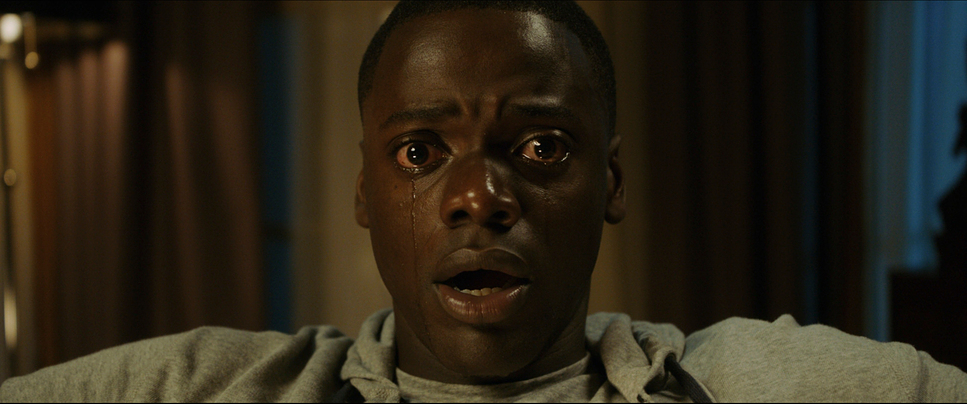
Eye Level
Camera sits at the subject's eye height. Neutral and natural — puts the viewer on equal footing with the subject, neither above nor below.
Use: the default for most dialogue and observational scenes.
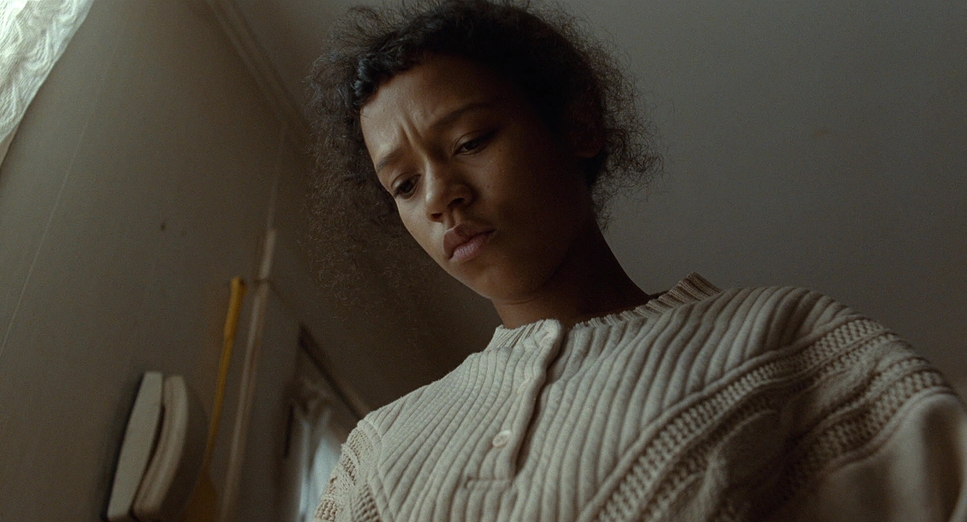
Low Angle
Camera looks up at the subject from below. Elongates the body and pushes it against the ceiling or sky.
Effect: subject reads as powerful, dominant, or intimidating.
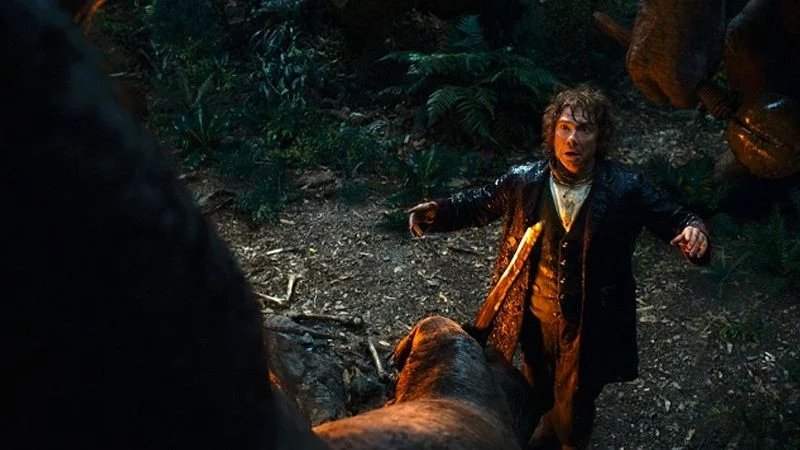
High Angle
Camera looks down at the subject from above. Compresses the body and surrounds it with more floor/environment.
Effect: subject reads as small, weak, or vulnerable.
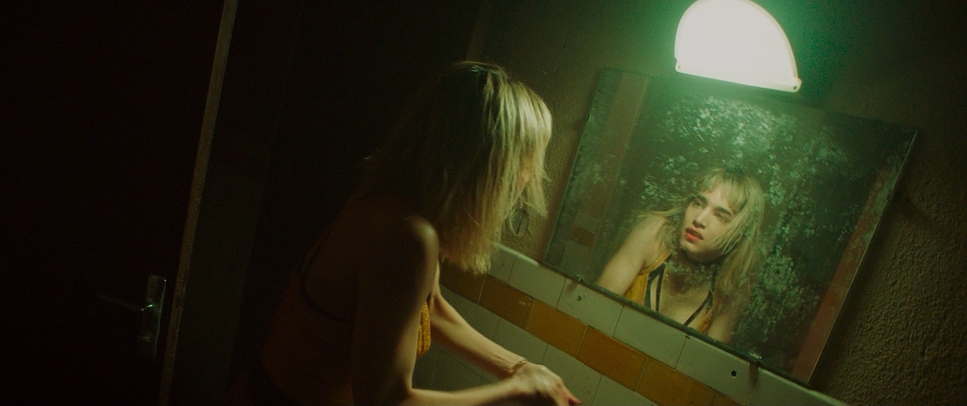
Dutch Angle (Canted)
The camera is rolled so the horizon line sits diagonally rather than level.
Effect: signals disorientation, unease, intoxication, or psychological instability.
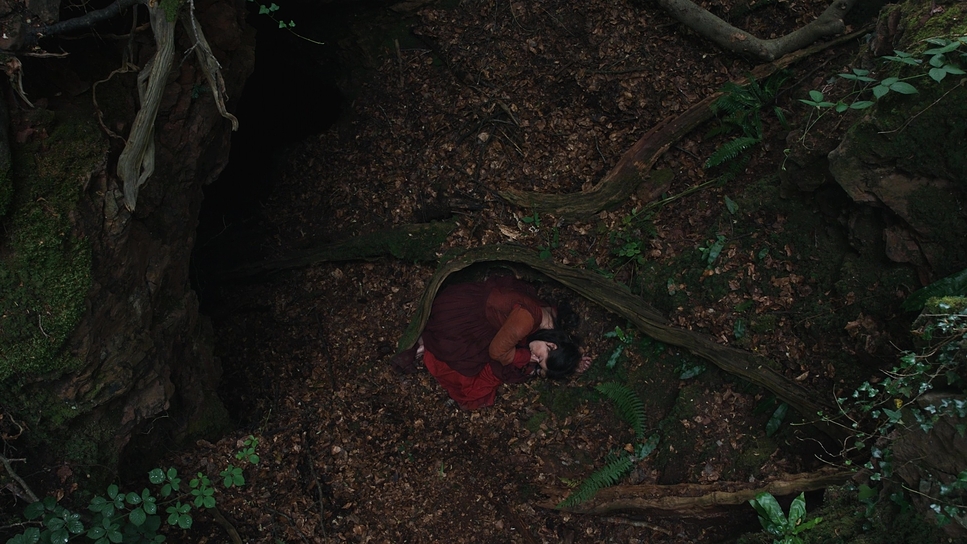
Bird's Eye View
Camera looks straight down from directly overhead, an extreme version of the high angle.
Effect: reduces people to shapes and patterns; a detached, "god's-eye" perspective.
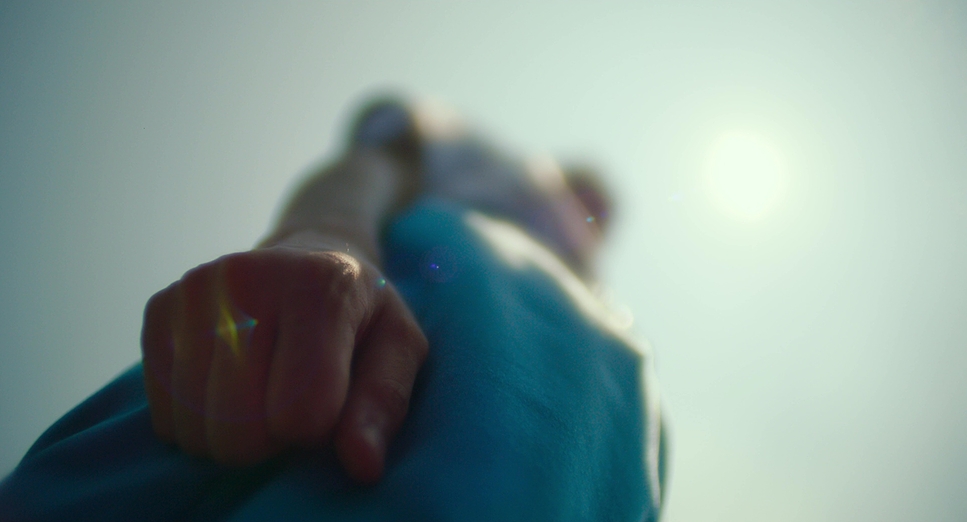
Worm's Eye View
An extreme low angle from near ground level, exaggerating height and looming presence far beyond a standard low angle.
Effect: the subject or object towers over and threatens the viewer.
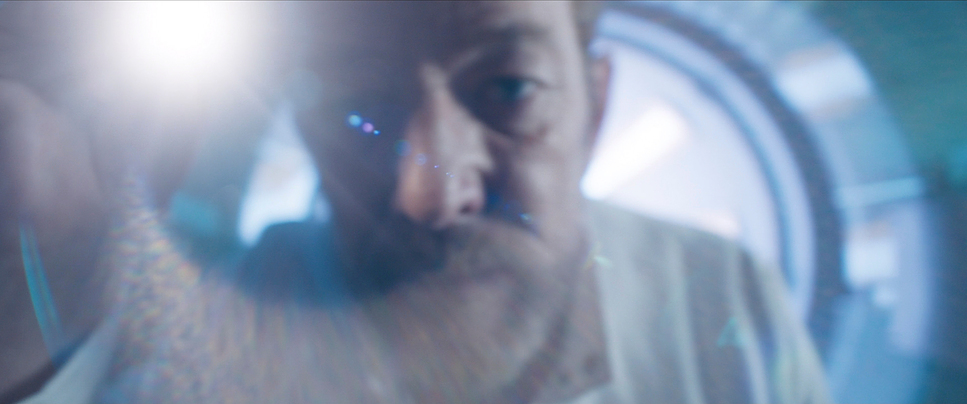
Point-of-View (POV)
The camera shows exactly what a character sees, as if the lens were their own eyes.
Effect: creates subjective identification — the audience briefly "becomes" the character.
TheoryObjective vs. Subjective Camera
Film theorists distinguish between the objective camera — an invisible outside observer with no stake in the scene, typically used for eye-level, high-, and low-angle shots — and the subjective camera, which places the audience inside a specific character's perception. POV shots are the clearest example of subjective camera, but a canted Dutch angle used to convey a character's drunkenness or panic is also functioning subjectively: it isn't showing us what's really there, it's showing us how a character feels about what's there.
The most extreme experiment with subjective camera in Hollywood history is the 1947 detective film Lady in the Lake, shot almost entirely as a first-person POV — the protagonist is only glimpsed in mirrors. It's widely taught as a cautionary example: full-length subjective camera is disorienting and exhausting over a feature run-time, which is why POV is normally used sparingly, for short bursts of identification rather than sustained narration.
HistoryWhere Angle-as-Meaning Comes From
German Expressionist cinema of the 1920s — films like The Cabinet of Dr. Caligari (1920) and Fritz Lang's Metropolis (1927) — pioneered using extreme, unnatural angles and canted compositions to externalize a character's psychological state onto the visual frame itself, rather than relying only on performance. That visual language crossed the Atlantic with émigré filmmakers and became a foundational influence on American film noir in the 1940s, where low angles, canted horizons, and harsh high-contrast lighting became shorthand for moral corruption and paranoia.
Orson Welles's Citizen Kane (1941), shot by cinematographer Gregg Toland, is a textbook example taught for its extensive, then-unusual use of extreme low angles — achieved in part by physically digging pits in the studio floor for the camera to shoot upward from — to make the title character loom over the frame as his power grows.
Further Reading
- Film Art: An Introduction — David Bordwell & Kristin Thompson. Standard textbook treatment of objective/subjective camera and angle as narrational device.
- On Directing Film — David Mamet. A short, opinionated text on how camera placement itself communicates story information, independent of dialogue.
- The Haunted Screen: Expressionism in the German Cinema — Lotte H. Eisner. The classic study of German Expressionist visual technique that shaped noir-era angle and lighting conventions.
- Cinematography: Theory and Practice — Blain Brown (3rd ed., 2016). Covers angle choice alongside shot size and lighting as a unified visual-grammar system.