The BasicsTwo Departments, One Goal
Electric generates, distributes, and delivers the electrical power that runs a set's lighting instruments, and operates those instruments (fixtures) themselves. Grip physically supports, shapes, modifies, and controls light and camera equipment — anything that holds, blocks, diffuses, bounces, or reflects light, or that supports and moves the camera, generally belongs to grip. A useful rule of thumb: electric makes light; grip shapes and controls it (and moves the camera).
| Role | Department | Responsibility |
|---|---|---|
| Gaffer (Chief Lighting Technician) | Electric | Heads the electric department; translates the cinematographer's lighting plan into an actual rig, choosing fixtures, power distribution, and crew assignments. |
| Best Boy Electric | Electric | The gaffer's second-in-command; manages equipment logistics, crew scheduling, and power planning. |
| Electrician / Set Lighting Technician | Electric | Rigs, operates, and strikes lighting fixtures and cabling under the gaffer's direction. |
| Key Grip | Grip | Heads the grip department; works hand-in-hand with the cinematographer on camera support and on shaping/controlling light with flags, nets, and diffusion. |
| Best Boy Grip | Grip | The key grip's second-in-command; manages grip equipment logistics and crew. |
| Dolly Grip | Grip | Operates the camera dolly and lays/levels track — the specialist grip most directly tied to camera movement. See Movement. |
| Grip | Grip | General crew handling rigging, stands, flags, and camera support equipment on set. |
Grip EquipmentShaping and Controlling Light
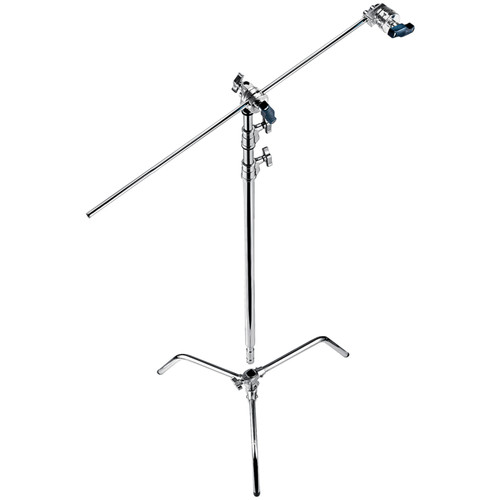
C-Stand
The grip department's single most-used tool — an adjustable stand with a "gobo head" and articulating arm that holds flags, nets, diffusion, or small equipment anywhere around a set.
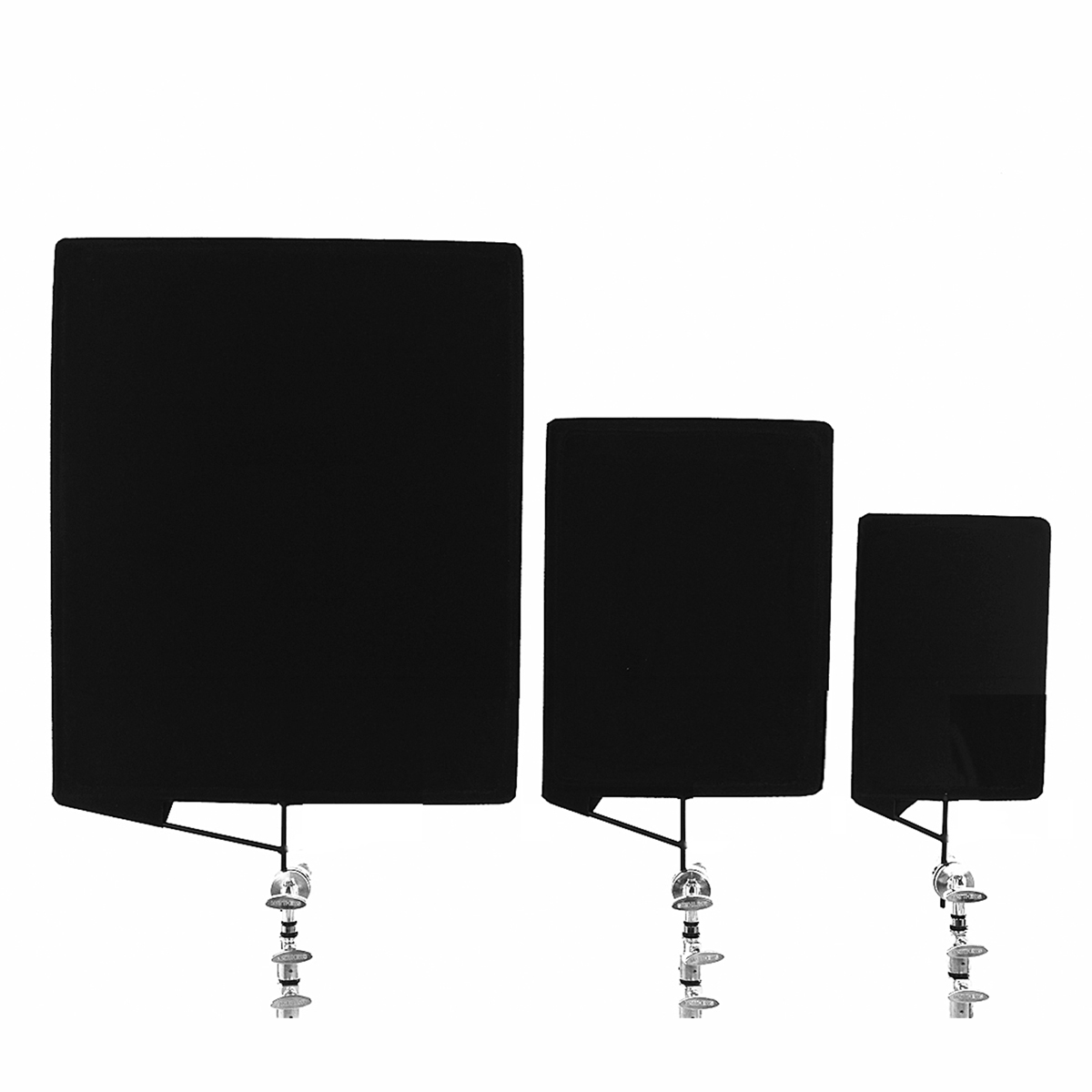
Flags
Solid, opaque fabric frames that block light entirely, casting a controlled shadow — the primary tool for removing unwanted light or shaping negative fill.
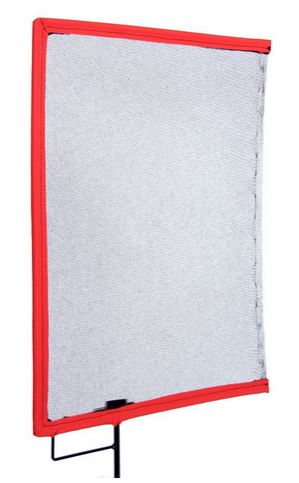
Nets (Singles/Doubles)
Mesh screens that subtly reduce a light's intensity without significantly changing its quality or direction — used for fine exposure trims rather than hard blocking.

Silks & Diffusion
Translucent fabric stretched over a frame to soften and spread a hard source — the same principle behind an overcast sky softening direct sun.
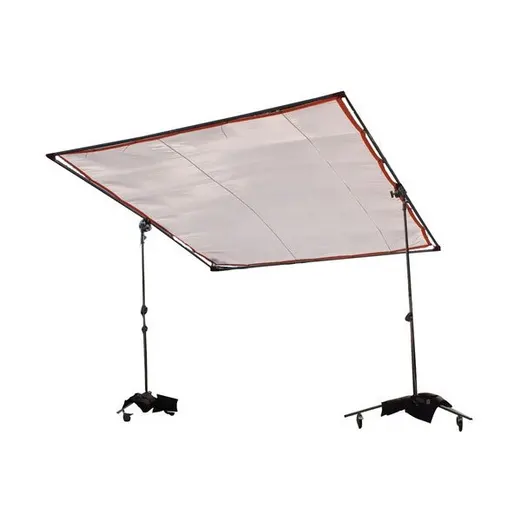
Overheads / Butterflies
Large frames (commonly 12×12 or 20×20 feet) rigged above an exterior set holding silk or solid black duvetyne, used to soften or fully block overhead sun across a whole scene.
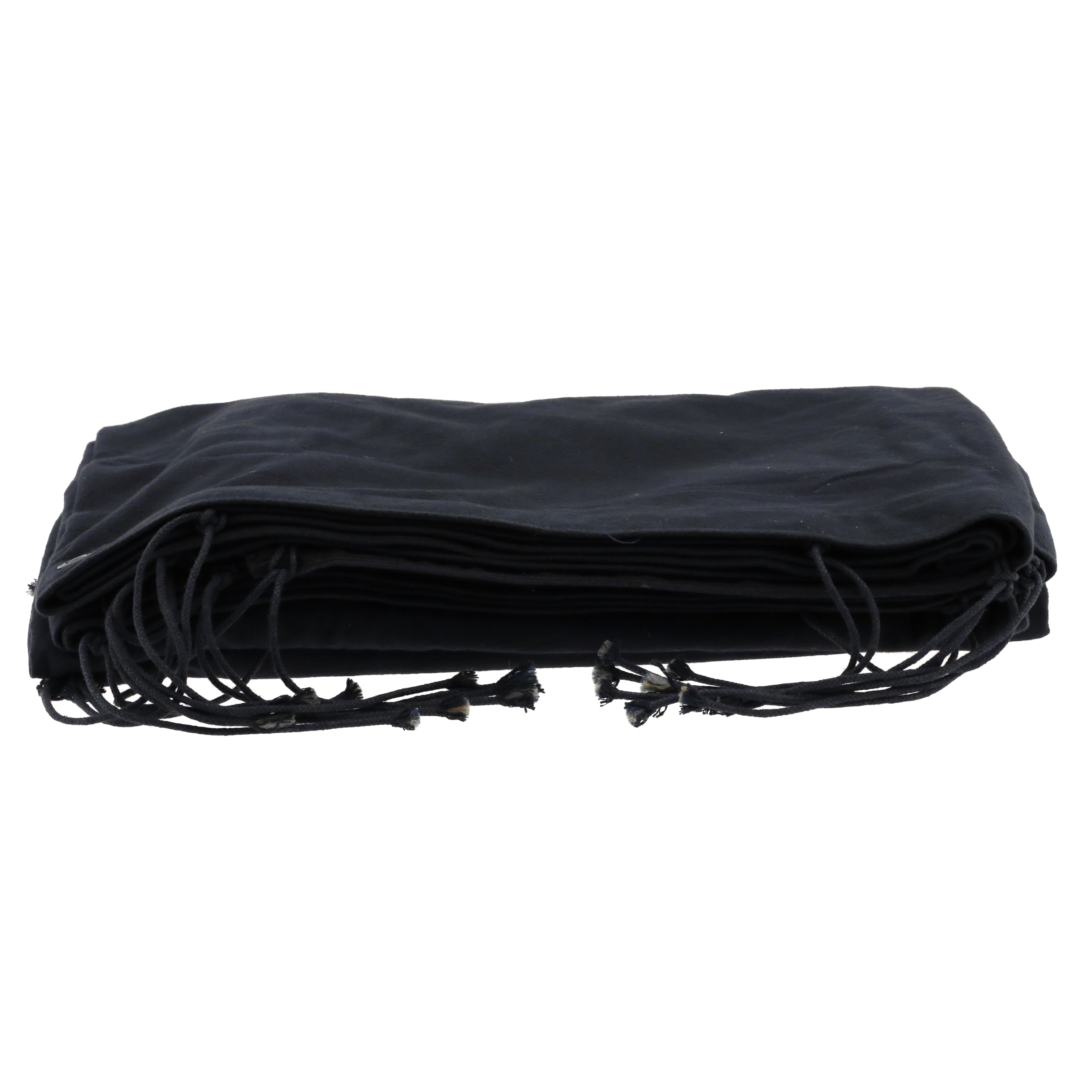
Duvetyne / Solids
Heavy black fabric used to block spill light, create negative fill, or flag off unwanted reflections — the workhorse "light-eating" material on most sets.
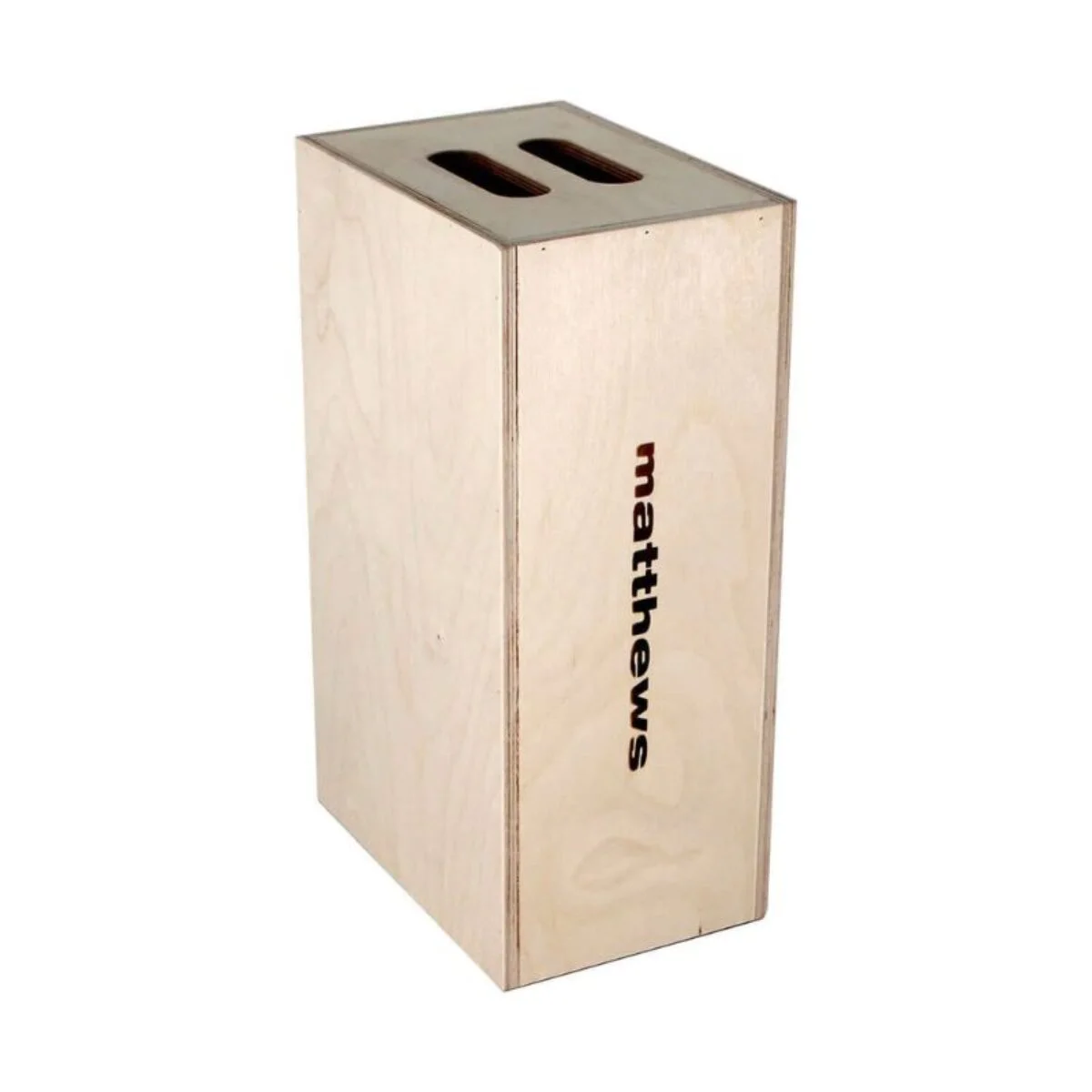
Apple Boxes
Sturdy wooden boxes (full, half, quarter, and the thin "pancake") used to adjust the height of actors, furniture, cameras, or other equipment in small, precise increments.
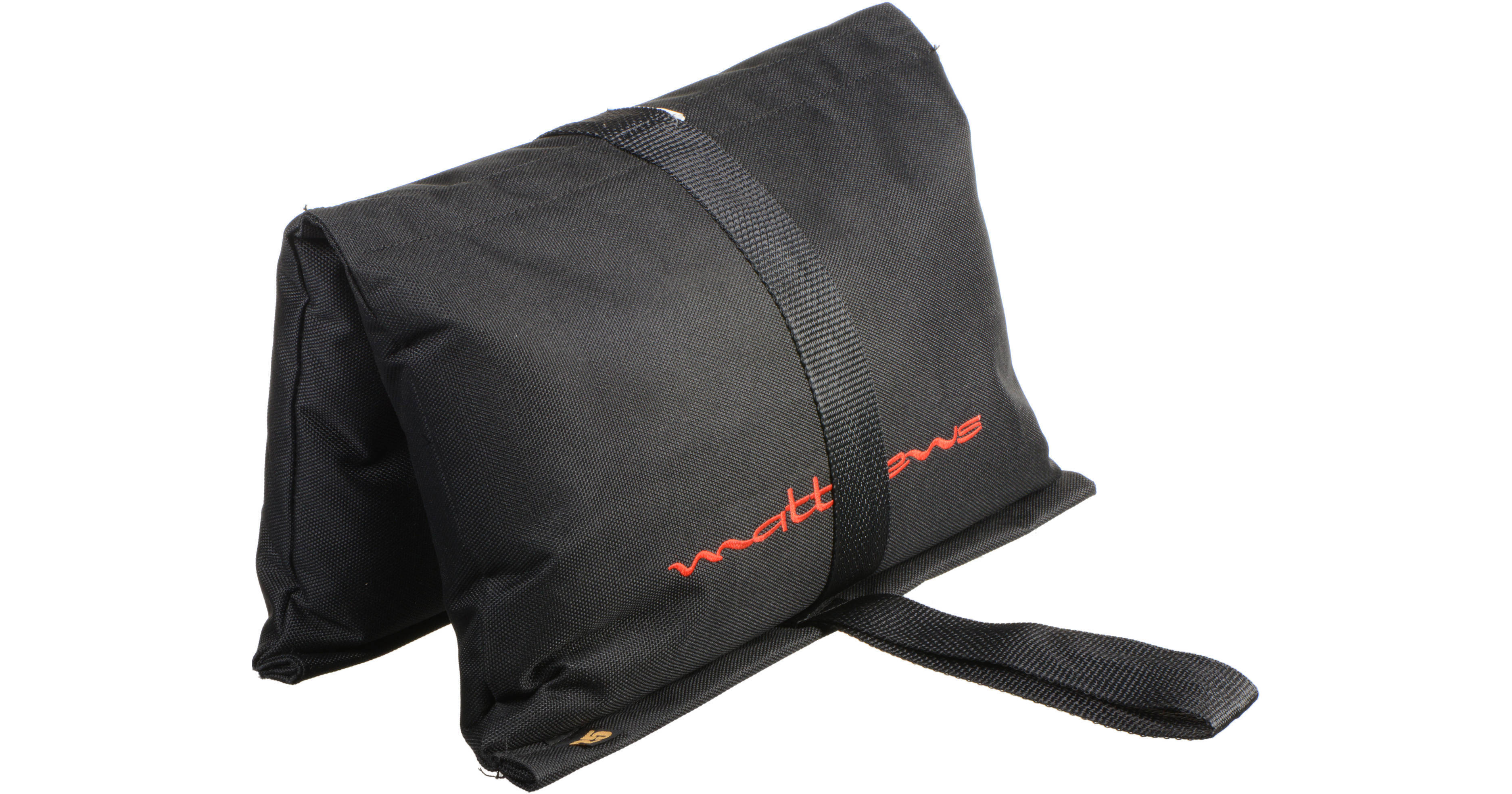
Sandbags
Weighted bags hung on every stand leg to prevent tipping — a mandatory, non-negotiable safety step any time a stand holds equipment, especially overhead.
Electric EquipmentGenerating and Delivering Light
Classic incandescent fixtures with a lens that focuses the beam from spot to flood. Warm (~3200K), continuous spectrum, high CRI, but power-hungry and hot to operate.
Daylight-balanced (~5600K) arc lamps that are far more light-efficient per watt than tungsten. Require a external ballast, and can flicker on camera if not properly synced to the shooting frame rate.
Modern, energy-efficient, low-heat fixtures that are often dimmable and tunable across a range of color temperatures — increasingly the dominant instrument type on contemporary sets.
Soft, cool-running tube fixtures long favored for interiors and for lighting actors comfortably over long takes, due to minimal heat output.
Ordinary household or set-dressing fixtures (lamps, sconces, neon) that are rigged to also function as real, camera-visible light sources. See Lighting.
Correction gels (CTO warms daylight toward tungsten; CTB cools tungsten toward daylight) fix color-temperature mismatches; effect gels add deliberate color for mood.
Metal flaps or tubes attached directly to a fixture to shape and narrow its beam at the source, before grip-side modifiers come into play.
Control a fixture's intensity electronically. Tungsten dims smoothly by lowering voltage (also shifting color warmer); LED and HMI sources require more careful dimmer matching to avoid flicker or color shift.
PowerDistribution & Electrical Safety
Every fixture on a set needs power from somewhere: either a generator (a self-contained "camera package" generator is often chosen specifically for its quiet operation, so it doesn't bleed noise into location sound recording) or a tie-in — a direct, licensed-electrician-only connection into a building's own electrical panel. Power is then split and routed through distribution boxes ("distro") into multiple circuits, run to fixtures via heavy-gauge extension cables commonly called stingers, with cable ramps laid over any walkway to prevent trip hazards.
Electric crews plan every circuit against a basic electrical relationship: Watts = Volts × Amps. Knowing a circuit's safe amperage limit (and a cable's gauge rating) prevents overloading a breaker — or worse, overheating a cable enough to start a fire. This load calculation is one of the most safety-critical, least glamorous parts of the craft, and it's why tie-ins and large distribution setups are only performed by trained, often licensed, electricians rather than general crew.
Deeper DiveServing the Cinematographer's Vision
A cinematographer's lighting concept is usually translated into a lighting plot — a top-down technical diagram marking every fixture's position, type, wattage, and gel — which the gaffer and key grip then execute together, frequently during a pre-light day before the cast or director even arrives on set. From that point, the two departments divide the same physical problem: electric decides what generates the light and how much power it draws; grip decides what shapes, blocks, bounces, or diffuses it once it leaves the fixture — and separately, what supports or moves the camera itself.
Continuity is a constant, shared challenge, especially on exterior day scenes: as the sun moves across the sky over a shooting day, its angle, intensity, and color temperature all shift, threatening to make shots filmed hours apart look mismatched when cut together (see Editing & Continuity). Grip departments manage this with large overhead silks and floppies to keep the effective light source's angle more consistent, while electric may add HMI fixtures to supplement or override the sun entirely, keeping the "motivated" source consistent across an entire scene regardless of what the real sky is doing.
Further Reading
- Set Lighting Technician's Handbook: Film Lighting Equipment, Practice, and Electrical Distribution — Harry C. Box. The standard professional training reference for electric department practice, equipment, and safety.
- The Grip Book: The Studio Grip's Essential Guide — Michael Uva. A comprehensive, industry-standard reference on grip equipment, rigging, and technique.
- Motion Picture and Video Lighting — Blain Brown. Bridges lighting design with the physical instruments and distribution covered on this page.
- American Society of Cinematographers (ASC) — the American Cinematographer Manual includes reference tables for lighting instruments, power distribution, and grip equipment.