The BasicsCommon Ratios
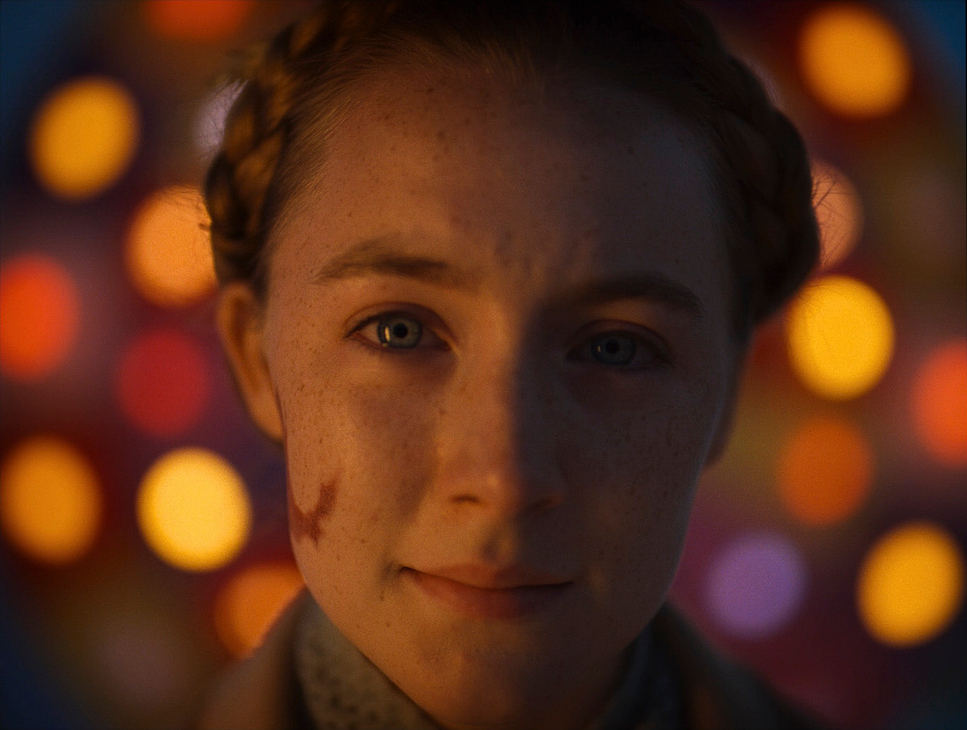
1.33:1 / 4:3 ("Academy")
The standard ratio of the silent and early sound era, and of classic television. Boxier and more square; used today for a deliberately retro or intimate feel.
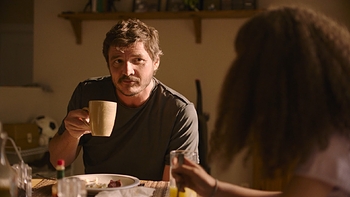
1.78:1 / 16:9
The standard modern widescreen ratio for television, streaming, and most online video today.
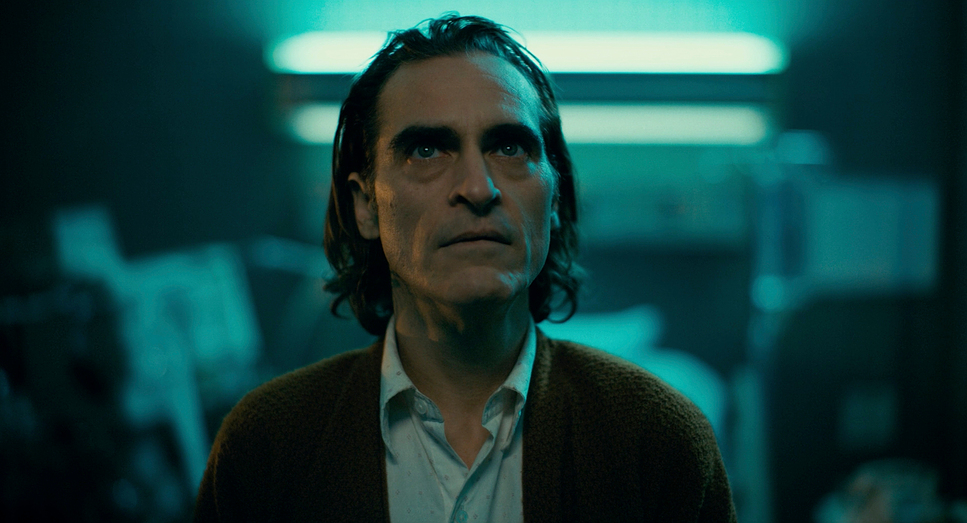
1.85:1 (Flat)
The most common theatrical ratio in the U.S. since the widescreen era — a modest, versatile widescreen shape.
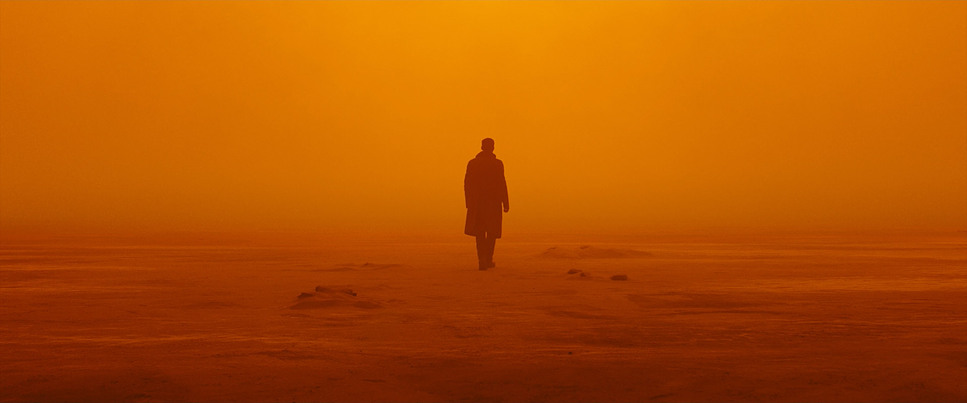
2.39:1 (Scope / Anamorphic)
An ultra-wide cinematic ratio, historically produced with anamorphic lenses. Associated with epic scale and "prestige" theatrical releases.

1:1 (Square)
Once a photography-driven curiosity, revived by social platforms like Instagram; occasionally used in film for stylistic constraint.
9:16 (Vertical)
The modern mobile-first ratio for short-form video (Reels, TikTok, Stories) — the newest entrant into the aspect ratio conversation.
HistoryThe Widescreen Wars
Film's frame shape has never been fixed. Silent-era cameras and projectors gradually converged on a roughly 1.33:1 ratio; when sound arrived in the late 1920s, the physical space needed for an optical soundtrack strip on the film squeezed the image, and the industry standardized a corrected 1.37:1 version known as the Academy ratio, named for the Academy of Motion Picture Arts and Sciences, which formally adopted it in 1932.
By the early 1950s, television — which used the same boxy 4:3-ish shape — was drawing audiences away from theaters, and Hollywood studios responded with a wave of new, wider theatrical formats explicitly designed to offer something TV couldn't. Cinerama (1952) used three projectors and a deeply curved screen; CinemaScope (1953) used anamorphic lenses to squeeze a wide image onto standard 35mm film, then unsqueeze it on projection — the direct ancestor of today's 2.39:1 Scope ratio; Paramount's VistaVision (1954) ran film horizontally through the camera for a larger, higher-resolution frame. This period is commonly taught as the "widescreen wars," a case study in how commercial pressure from a competing medium reshaped an entire industry's visual grammar.
The format conversation continues today: large-format IMAX photography (championed by directors like Christopher Nolan) revives the "bigger image as spectacle" argument in a digital context, while the rise of mobile-first, vertical 9:16 video represents the first major aspect-ratio shift in decades driven by viewing device rather than theatrical exhibition.
Creative UseRatio as Storytelling Device
Directors occasionally change aspect ratio mid-film as a narrative device — expanding from a boxy ratio to full widescreen to mark a character's expanding world or freedom, for example. Because the choice is so historically loaded (Academy ratio reads as "old Hollywood" or restrictive; Scope reads as "epic"), aspect ratio functions similarly to a color palette: a single technical decision made once, at the top of a project, that colors the audience's read of everything that follows.
Further Reading
- Widescreen Cinema — John Belton. The standard academic history of the 1950s widescreen conversion and its commercial motivations.
- Film Art: An Introduction — David Bordwell & Kristin Thompson. Covers aspect ratio as a formal element of film style alongside framing.
- Academy of Motion Picture Arts and Sciences (AMPAS) — historical technical bulletins on the adoption of the Academy ratio are cited widely in film-history coursework.
- American Society of Cinematographers (ASC) — American Cinematographer has published extensive retrospectives on CinemaScope, VistaVision, and modern large-format (IMAX) photography.