The BasicsThe Standard Sizes
Shot size is measured relative to the human body — specifically, how much of a person fits in frame. It is a continuous spectrum, but filmmakers use a shared shorthand of roughly six to eight named sizes so a director, cinematographer, and editor can discuss a shot list without ambiguity.
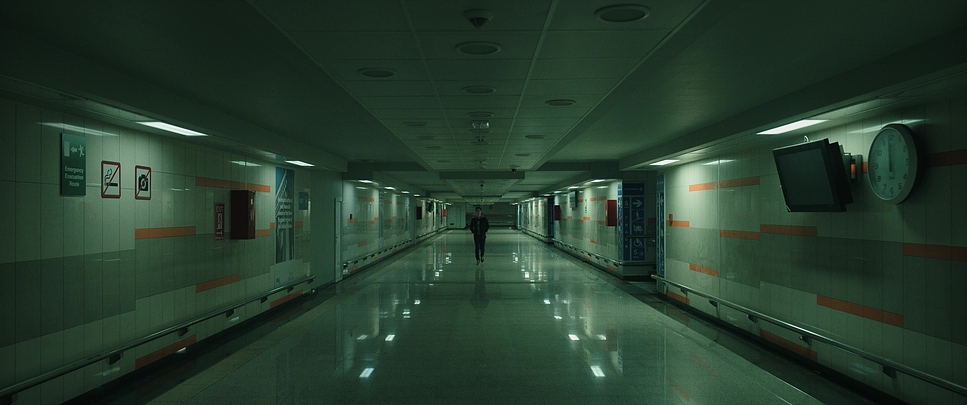
Extreme Wide Shot (EWS)
The subject is tiny or absent against a vast environment. Used as an "establishing shot" to set location, scale, and geography before narrowing in.
Effect: isolation, grandeur, insignificance of the individual against their world.
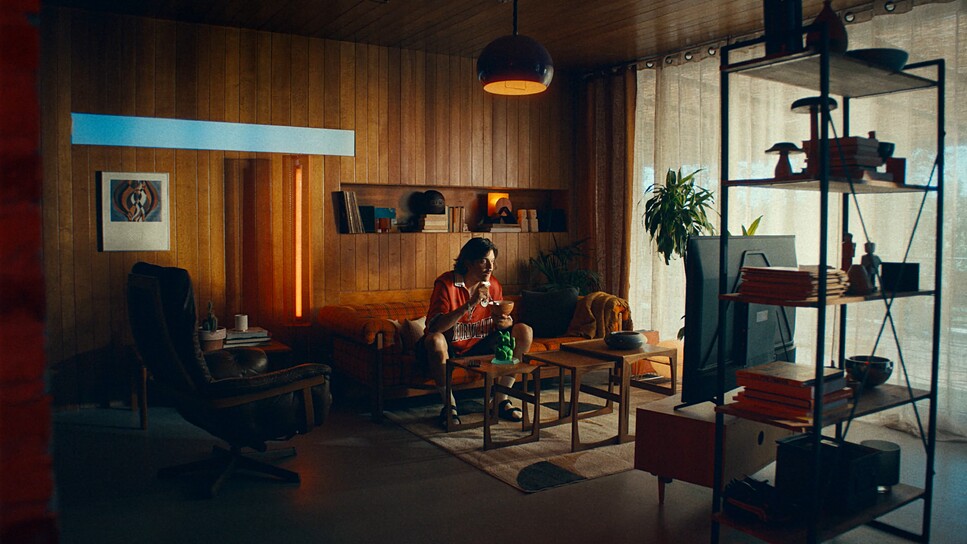
Wide / Full Shot (WS)
The whole body is visible, head to feet, with some room around it. Shows physical action, blocking, and setting simultaneously.
Effect: lets the audience read body language and physical performance in context.
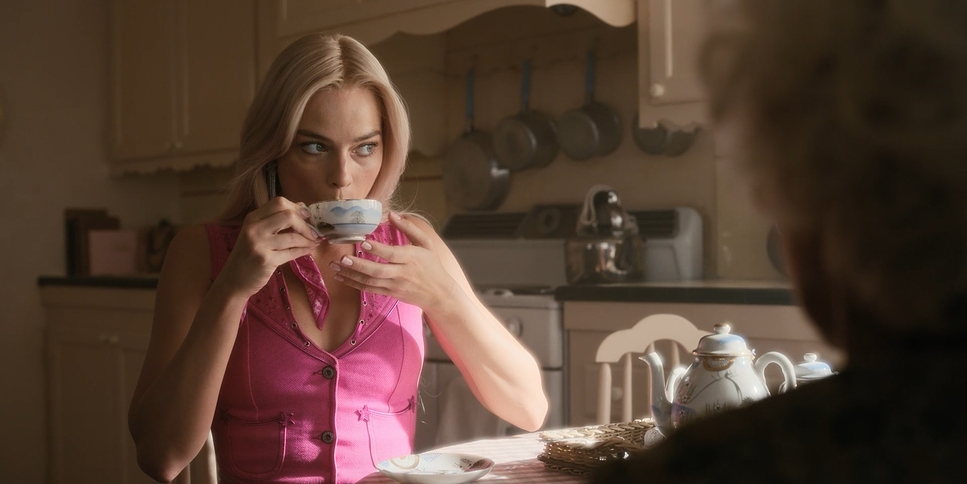
Medium Shot (MS)
Roughly waist-up. The default "conversation" framing in most dialogue-driven film and TV — it balances gesture and facial expression.
Effect: neutral, informational, comfortable — the workhorse shot of narrative film.
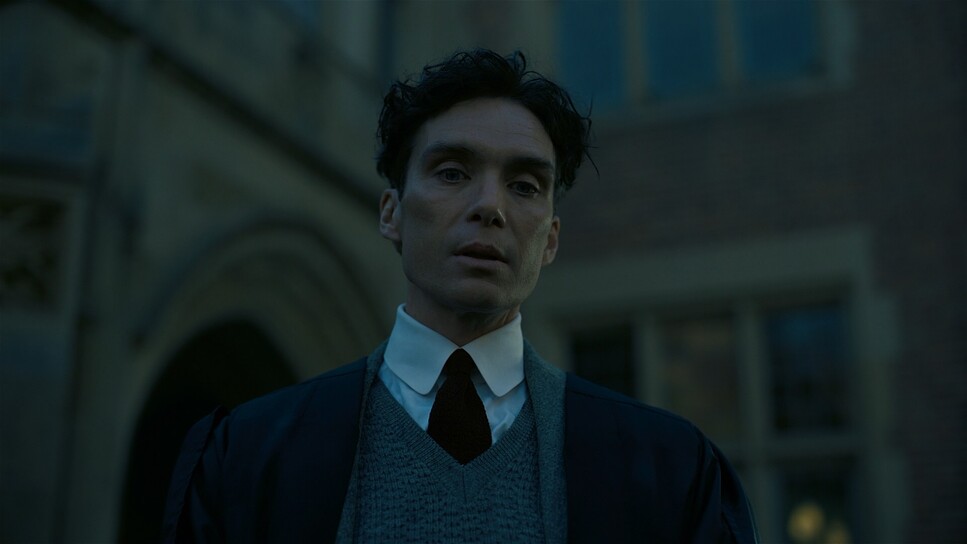
Medium Close-Up (MCU)
Chest-up. Tighter than a medium shot, it keeps more attention on facial expression while retaining some body language.
Effect: common "coverage" shot for dialogue scenes shot with multiple angles.
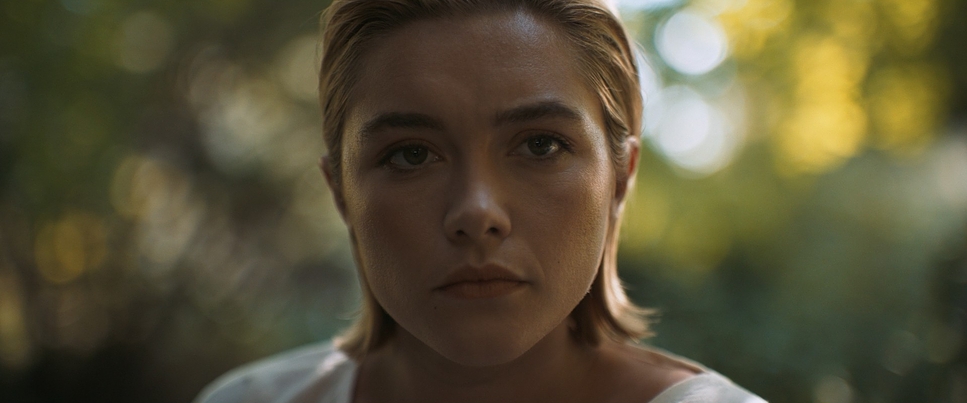
Close-Up (CU)
Fills the frame with the face, generally chin to forehead. Removes context from the frame almost entirely.
Effect: emphasizes emotion and reaction; forces focus on feeling, not doing.
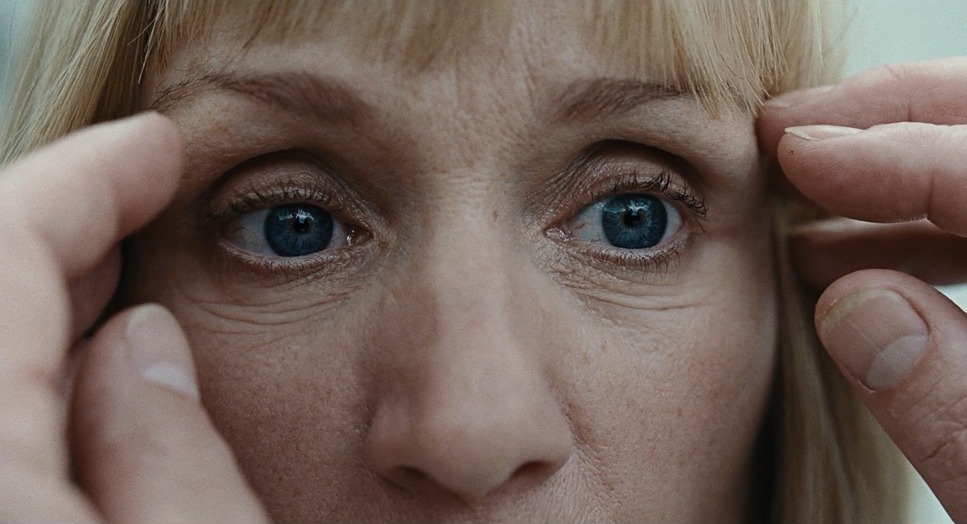
Extreme Close-Up (ECU)
Isolates a detail: eyes, mouth, hands, or an object. The most intense, claustrophobic framing available.
Effect: heightens tension or intensifies a reaction to a specific plot detail.
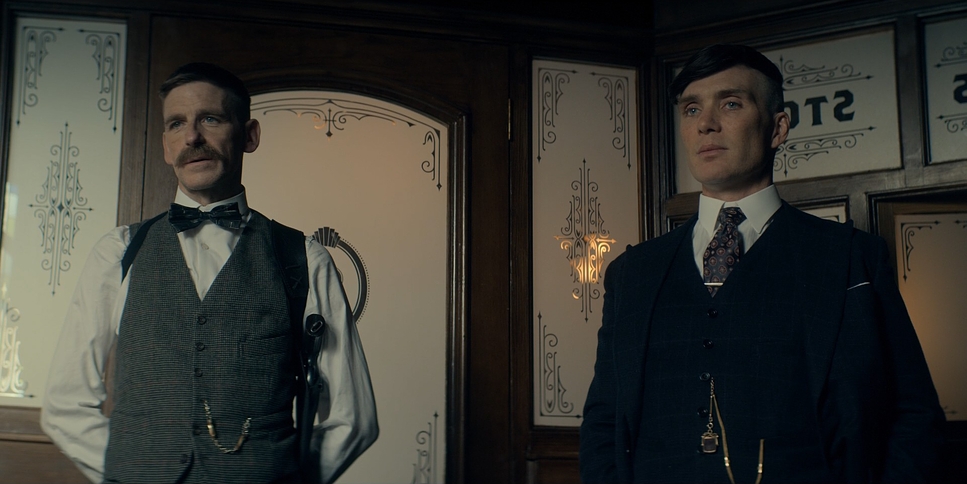
Two-Shot
Frames two subjects together, defining their spatial and emotional relationship without cutting between them.
Effect: shows connection, tension, or comparison between two characters in one unbroken frame.
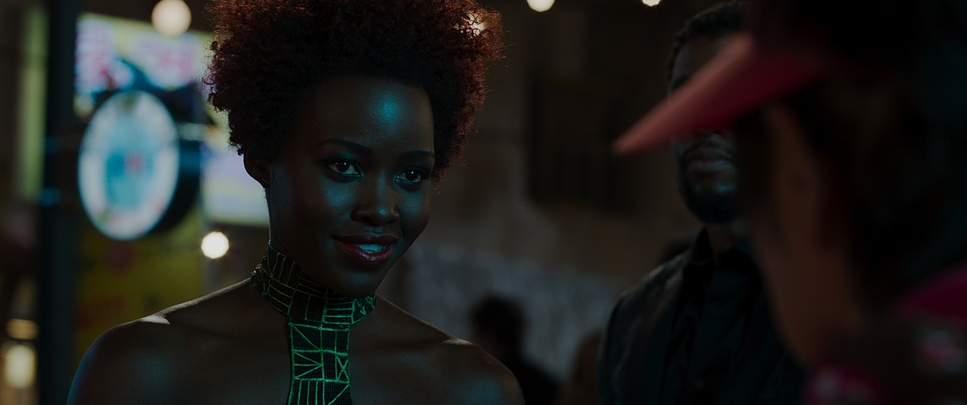
Over-the-Shoulder (OTS)
Camera is positioned behind one character's shoulder, looking at the other. The near shoulder/head anchors the frame as foreground.
Effect: standard for dialogue coverage; keeps spatial relationship clear for the edit.
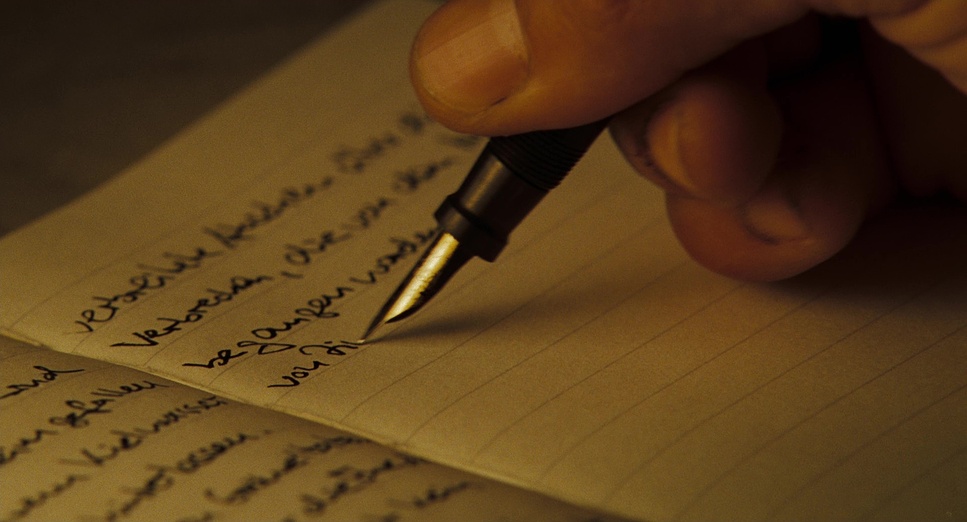
Insert Shot
A tight shot of an object or detail — a note, a clock, a hand on a doorknob — cut into a scene to convey information the wider shots can't.
Effect: directs attention to a plot-critical detail without narration.
History & TheoryWhere This Vocabulary Comes From
Shot-size terminology wasn't standardized from cinema's beginning. Early filmmakers like Georges Méliès and the Lumière brothers shot almost everything in a single wide "proscenium" framing, mimicking a theater seat. It was directors like D.W. Griffith, working in the 1910s, who popularized cutting into closer shots mid-scene — at the time considered a radical, even confusing, technique, since audiences weren't used to seeing a disembodied giant face on screen.
The modern naming system was formalized decades later by cinematographer Joseph V. Mascelli in his widely taught 1965 text on continuity and coverage, still assigned in film schools today. Mascelli argued that shot selection is one of several controllable "continuities" a cinematographer manages — alongside movement, angle, and screen direction — to keep a scene coherent across many individual shots.
On SetCoverage & the Master Shot Method
In practice, most narrative scenes are not filmed in one continuous shot. Instead, productions use the master shot method: the entire scene is first filmed in one wide, continuous take (the "master") that captures all the blocking and dialogue from a safe, comprehensive angle. The crew then re-films the same scene in closer "coverage" — medium shots, close-ups, over-the-shoulders — repeating the performance each time from a new position.
In the edit, the editor cuts between the master and the coverage as needed: staying on the master during simple exchanges, cutting to a close-up to catch a key reaction, returning to the master to re-establish geography. This gives editors maximum flexibility to control pacing and emphasis without needing to return to set for a reshoot — a central reason cinematographers plan shot size in tight collaboration with the script and the editor's likely needs, not in isolation.
A related concept is shot progression: many scenes are deliberately built as a size progression, starting wide to establish geography and slowly cutting closer as tension or intimacy builds — a wide two-shot of an argument, for example, tightening to alternating close-ups as it escalates.
Related FactorShot Size and Lens Choice
Shot size describes what's in the frame, but it doesn't dictate how that frame was achieved. A medium shot taken with a wide lens close to the actor looks and feels very different from the same medium shot taken with a telephoto lens from much farther away, even though both frame the same amount of the body — see Lenses & Focus for how focal length independently shapes perspective and background compression within any given shot size.
Further Reading
- The Five C's of Cinematography — Joseph V. Mascelli (1965). The foundational text that formalized shot-size and coverage vocabulary still taught today.
- Cinematography: Theory and Practice — Blain Brown (3rd ed., 2016). A standard contemporary film-school textbook covering shot design alongside lighting and exposure.
- Film Art: An Introduction — David Bordwell & Kristin Thompson. Widely used introductory textbook with strong coverage of framing and shot scale as narrative tools.
- The Filmmaker's Eye — Gustavo Mercado. A visually driven breakdown of shot composition and size choices with annotated frame examples.
- American Society of Cinematographers (ASC) — publisher of American Cinematographer magazine, a long-running trade publication with in-depth interviews on shot design from working DPs.